

My best live lessons are ten minutes long.
Eight minutes of dialogue.
5–10 balls struck.
Because swing development isn’t about collecting reps — it’s about understanding what you’re actually doing and then executing your strengths in a pattern that fits you.
I didn’t learn this from models or averages. I learned it through a decade of experimenting with the inner layers of the golf swing.
I kept asking one question:
What is the player doing that creates what we see?
Great players never chased complexity. They simplified — then simplified again.
They look different on camera, but underneath they share the same driving ideas.
Those ideas create patterns. And when a pattern fits your brain, the motion becomes achievable.
That’s where real change happens.
Not more effort.
Not more tips.
Fit.
Power.
Consistency.
Trust in your swing.
The FMM Academy exists to help you find the pattern that actually works for you — and understand it well enough to own it for life.

I’m drawn to old-school fundamentals because — when understood correctly — they build a functional golf swing from the ground up.
Modern instruction can be powerful once a motion already works.
Old fundamentals are what make it work in the first place.
The problem is they’re usually explained on the surface level — positions, checkpoints, looks — but rarely taught in a way a player can actually perform.
That’s the purpose of the FMM Academy: to explain what drives the motion and make it achievable by focusing only on what truly matters.
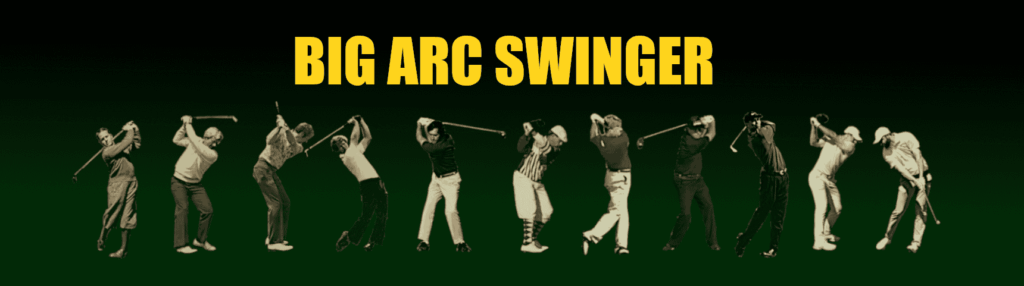
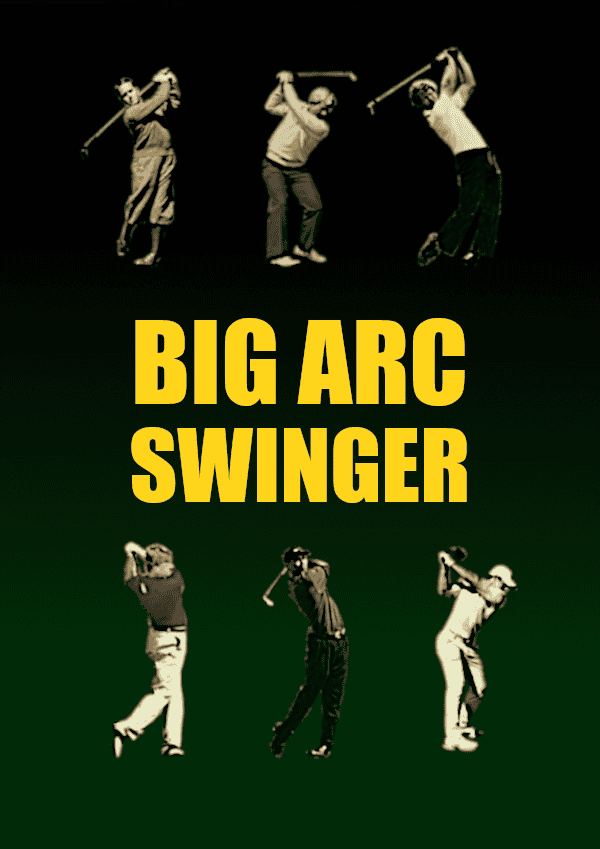
This is the pattern behind a large portion of golf’s major champions.
Nicklaus, Watson, Ballesteros, Els, Woods, Scott, and Scheffler may look different — but they’re built on a similar internal engine.
The power protocol is about stimulating the base pendulum in both the downswing and the follow-through.
When you act correctly there, the body motion becomes harmonic instead of manufactured.
That’s why some of these players look steep, even “over the top,” yet still deliver excellent impact conditions.
The club is actually shallowing itself because the pendulum is being powered — not manipulated.
Move pressure early into the lead side and allow the release to happen early.
You’re not forcing positions — you’re supporting the motion.
This pattern is often the easiest to learn and the easiest to repeat, because most of the body action becomes a reaction instead of a task.
If it fits you.
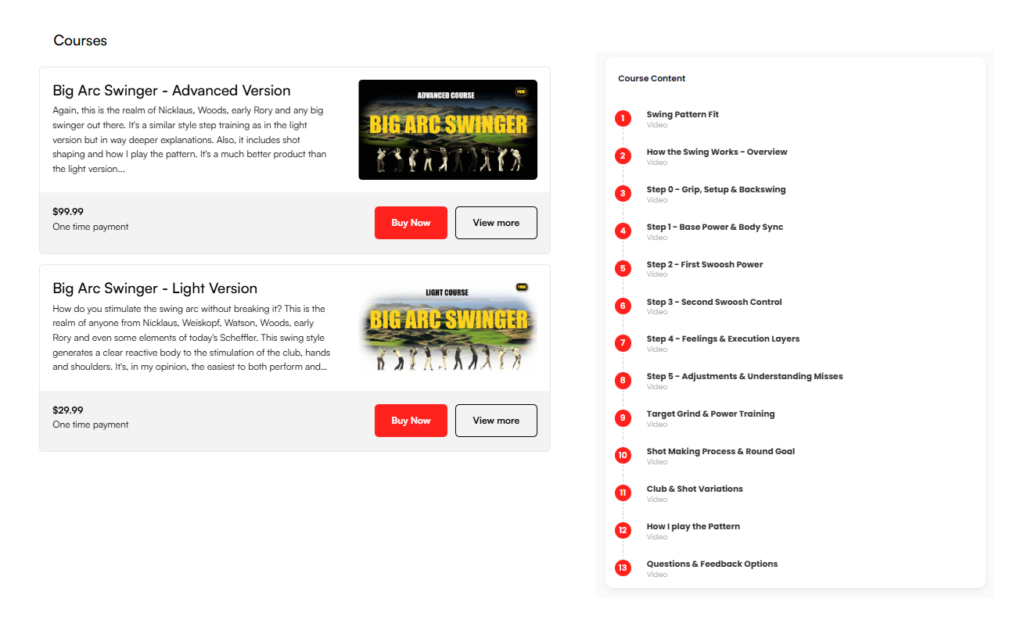
Big Arc Swinger – How to Start Training It?
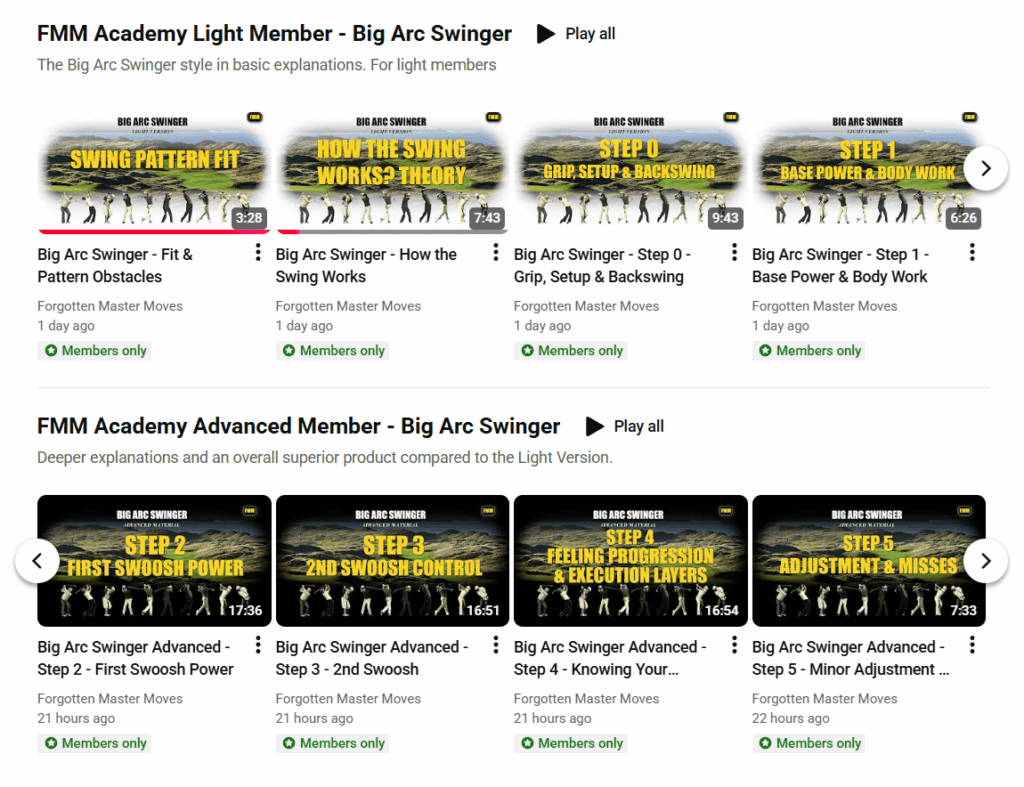
- Go to Youtube and become a member on my channel. The Light Versions are available on the light member bracket for around 10$ per month and Advanced Versions around 30$ per month (cancel anytime, price fluctuates with currency conversion SEK->USD). Click here to enter my Youtube Channel.
- On Skillest (coaching app) you can purchase it as a course one time payment. 29$ for the Light Version or 99$ for the Advanced Version. Click here to come to my Skillest Coaching Profile.
Any questions? Just email me on forgottenmastermoves@gmail.com.
What it looks like on Youtube Memberships
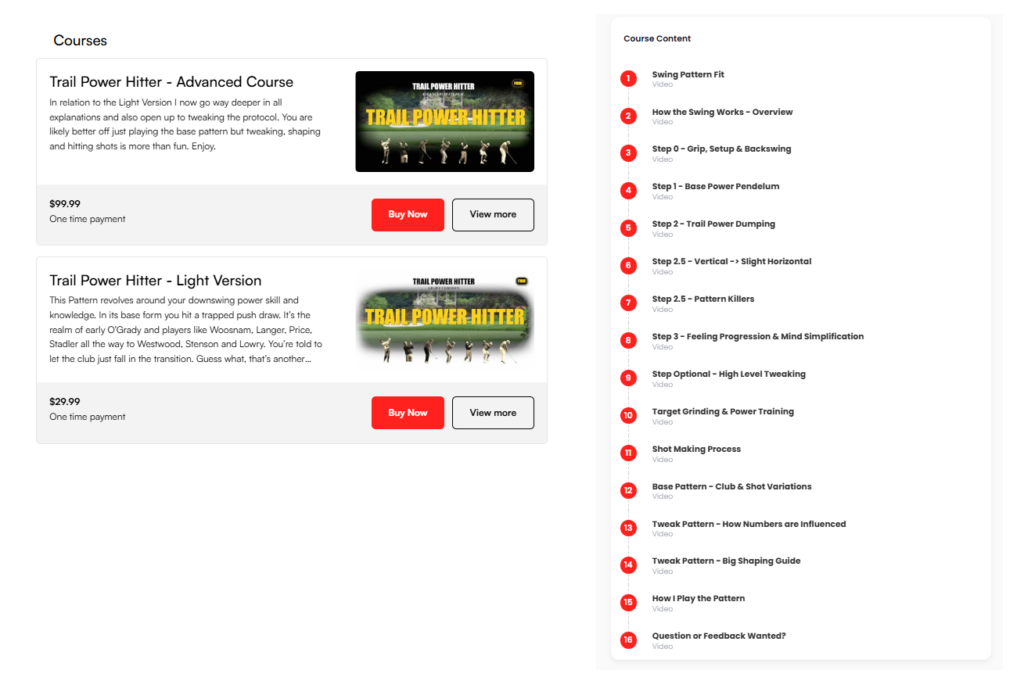
What it looks like on Skillest Courses
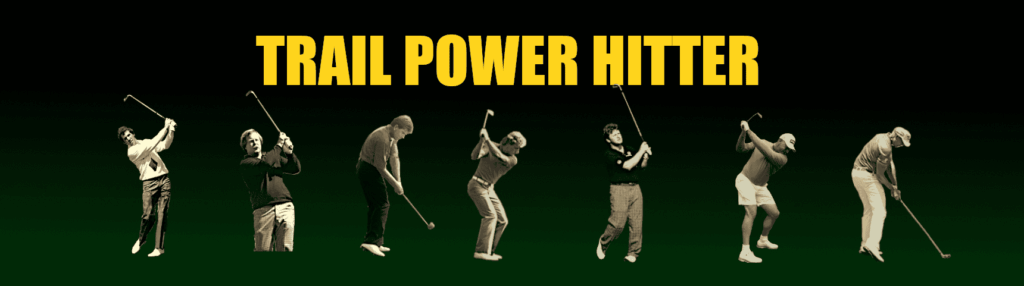
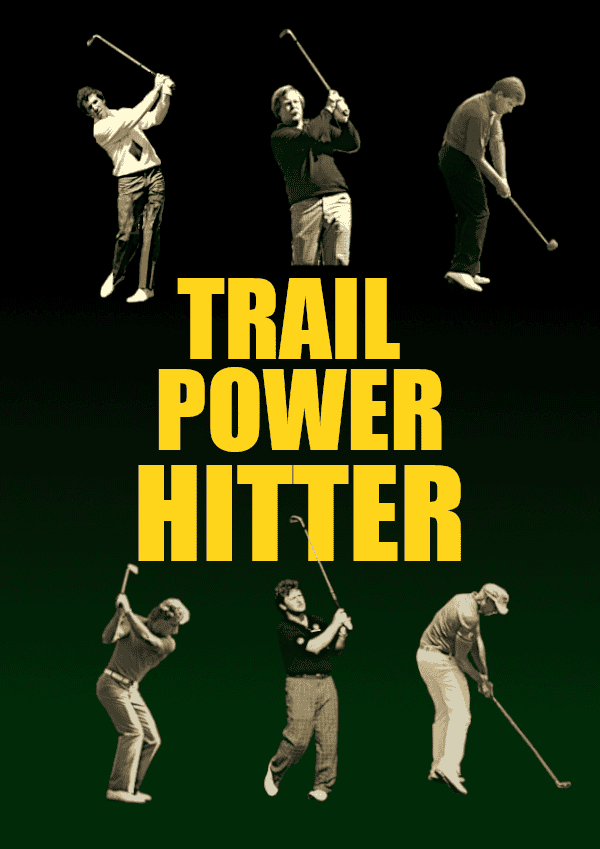
This is a simple release motion for golfers who are naturally trail-arm dominant.
You’ve probably heard “don’t hit — just let it fall.”
That advice fits certain backside-release patterns.
This one is the opposite — here the downswing is powered.
Players like Craig Stadler, Nick Price, Westwood, and parts of early O’Grady built elite careers around this type of motion.
In the impact area you can add blade control through mechanisms that take away a considerable amount of excessive blade rotation. Woosnam’s “hitting the ear of the barley” or O’Grady’s “recocking” springs to mind.
Point being: I don’t use “one player” to model after here. I use different inspirations for different parts of the swing, and I’ve dug it out through self-experimentation and guinea pig testing over years and years.
Long story short — you power the downswing vertically with enough space for momentum so that the body can start reacting to the forces at hand. This, in its base form, creates a trap push-draw pattern, and once you build on the base you can start adding blade control elements and body-altering tweaks that lead you into better consistency.
I would argue this, in its tweaked form, is what players like Shane Lowry — or why not Sepp Straka — are performing today.
What about fit? Trail-dominant players likely have the advantage.
Trail Power Hitter – How to Start Training It?
- Go to Youtube and become a member on my channel. The Light Versions are available on the light member bracket for around 10$ per month and Advanced Versions around 30$ per month (cancel anytime, price fluctuates with currency conversion SEK->USD). Click here to enter my Youtube Channel.
- On Skillest (coaching app) you can purchase it as a course one time payment. 29$ for the Light Version or 99$ for the Advanced Version. Click here to come to my Skillest Coaching Profile.
Any questions? Just email me on forgottenmastermoves@gmail.com.
What it looks like on Youtube Memberships
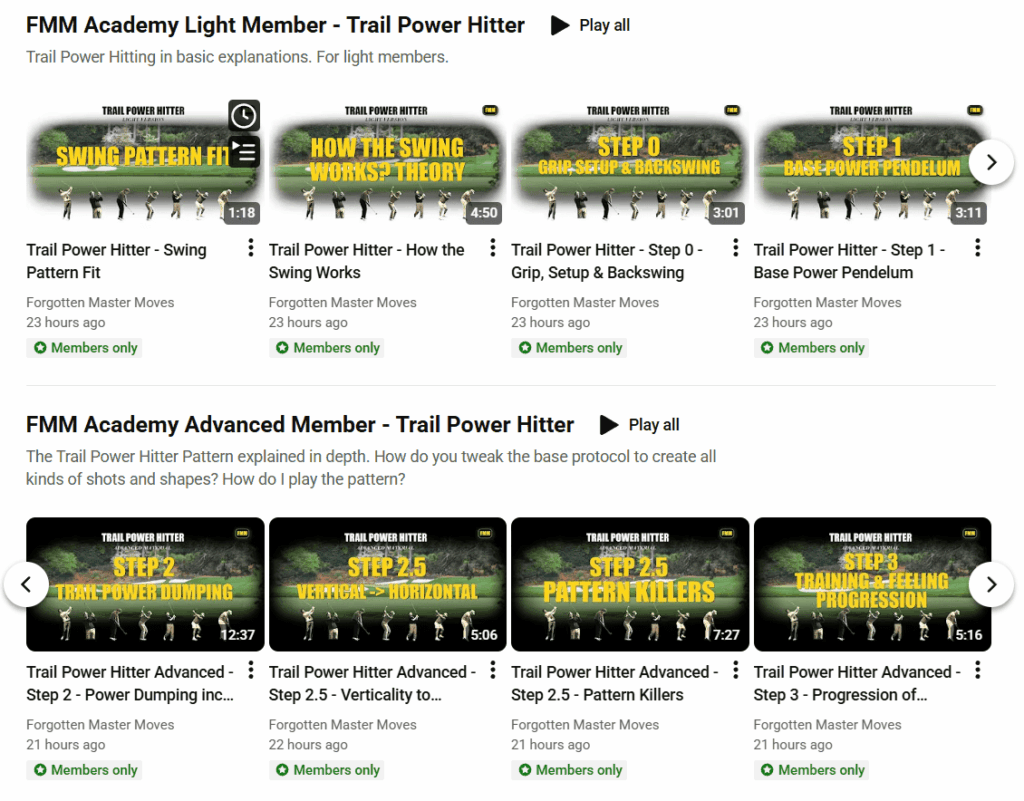
What it looks like on Skillest Courses


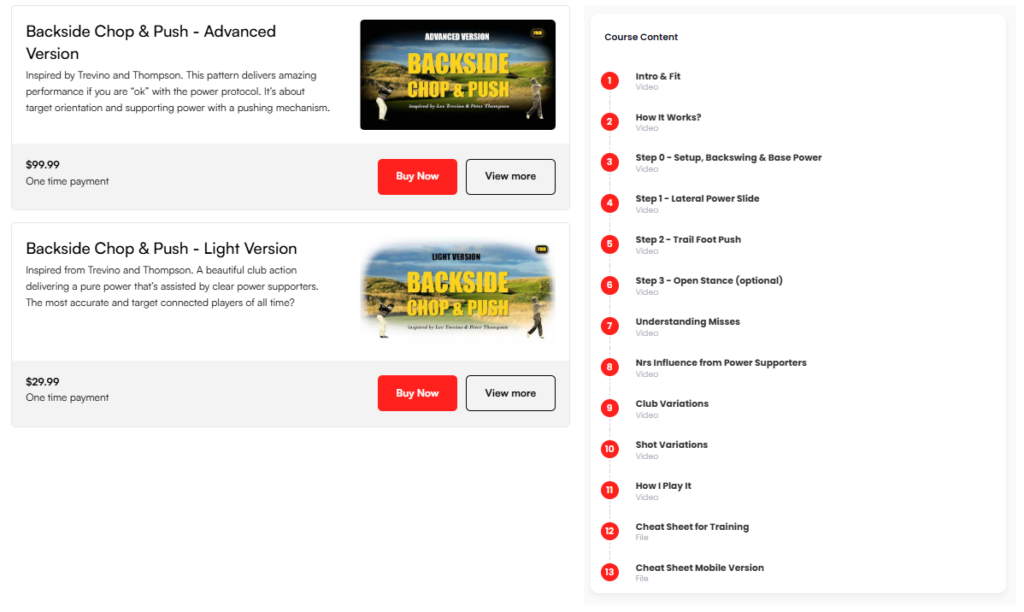
Lee Trevino and Peter Thomson are arguably the most accurate players of all time. I would also argue that their motions are as simple as it gets (if you fit). They use a backside release entry and a pushing mechanism through the shot.
This creates a foundational task that becomes very target-bound. You and your trajectory become very synced.
You can see the pushing element in their motion through how they slightly “knee” through the shot.
I believe it to be advantageous to be trail-arm dominant when performing these motions since the target push is very much felt in this arm.
Finally, the motion is very different from e.g. Ben Hogan, since these players (Trevino outspokenly and Thomson, in my “guessing”) don’t actively use rotation. The power supporters of lateral shift and trail-foot pushing will create rotation for you reactively.
Backside Chop & Push – How to Start Training It?
- Go to Youtube and become a member on my channel. The Light Versions are available on the light member bracket for around 10$ per month and Advanced Versions around 30$ per month (cancel anytime, price fluctuates with currency conversion SEK->USD). Click here to enter my Youtube Channel.
- On Skillest (coaching app) you can purchase it as a course one time payment. 29$ for the Light Version or 99$ for the Advanced Version. Click here to come to my Skillest Coaching Profile.
Any questions? Just email me on forgottenmastermoves@gmail.com.
What it looks like on Youtube Memberships

What it looks like on Skillest Courses
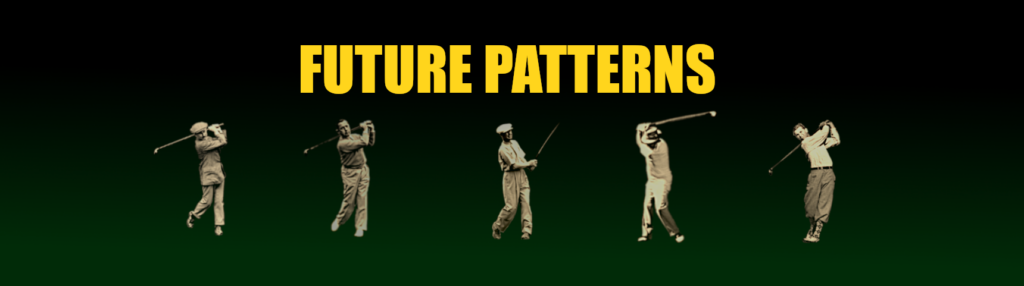

I see two to three more patterns to cover. Then I feel this is a good starting point for understanding what goes into a golf swing. Please keep in mind that I always search for the “stuff behind the scenes”. It needs to be achievable = I need to be able to describe the intentions behind the motion.
Also please keep in mind that the best of the best didn’t do something difficult. They did something simple and became really good at it. It’s just different from what we think.
Drag to Whip Swing – Snead, Woosnam and Loads More…
Yes, Woosnam again. I actually used his “through the ball” feeling for some coin drops in the Trail Power Hitter protocol, but it’s just cherry-picking. His complete motion involves a slightly different power protocol.
I get more and more fascinated by Mr Woosnam since his swing is as simple as it gets, and he could actually benefit from the fact that he was shorter. Or let me put it this way — this fact actually made his body position in a way that made him more “big muscle using” than most players I’ve seen. Also, his Power Golf book is as good as it gets when it comes to instruction.
This power profile is very much shared with Sam Snead.
It’s about using a lead-arm drag so that you then can flick/whip/flail the heck out of the golf club through the ball.
Snead’s squat is the outcome of very vertical power-building mechanisms that I find create the squat without him trying to do it. It’s an athletic reaction to another intention (in my opinion). I still have some stuff to figure out here, but it should come in 2026.
Hogan-Based Rotational Swing
Coin drops are happening by the minute. Let’s put it this way: Mr Hogan used a very different power protocol than any other player I’ve come across. Mr Trevino, Mr Thomson and Mr Knudsen might look a bit the same, but they are very different from Mr Hogan himself.
The questions I ask myself to make progress are these (on top of a big knowledge bank):
How can Mr Hogan rotate harder and better through the ball than any old-timer or modern player? What preset is needed to accomplish this?
I’m 80% there and should be able to drop my Hogan-inspired motion somewhere in Q2 2026 (if I don’t run into obstacles).
Chilled Out Swinging Couples Style
Couples and John Daly share a load of common denominators. These swinging motions have fascinated the golf world for decades. This will be my biggest challenge since they are so chilled out and I’m “eager to hit the ball”. Likely 2027 on this one, but I will for sure work on it.
Just email me at forgottenmastermoves@gmail.com if you want a notification when the patterns drop.
Old-school teaching left out the why.
Modern teaching drownes it in mechanics.
FMM makes it understandable.
INNER LAYER WORK – CHANGES THAT STICKS
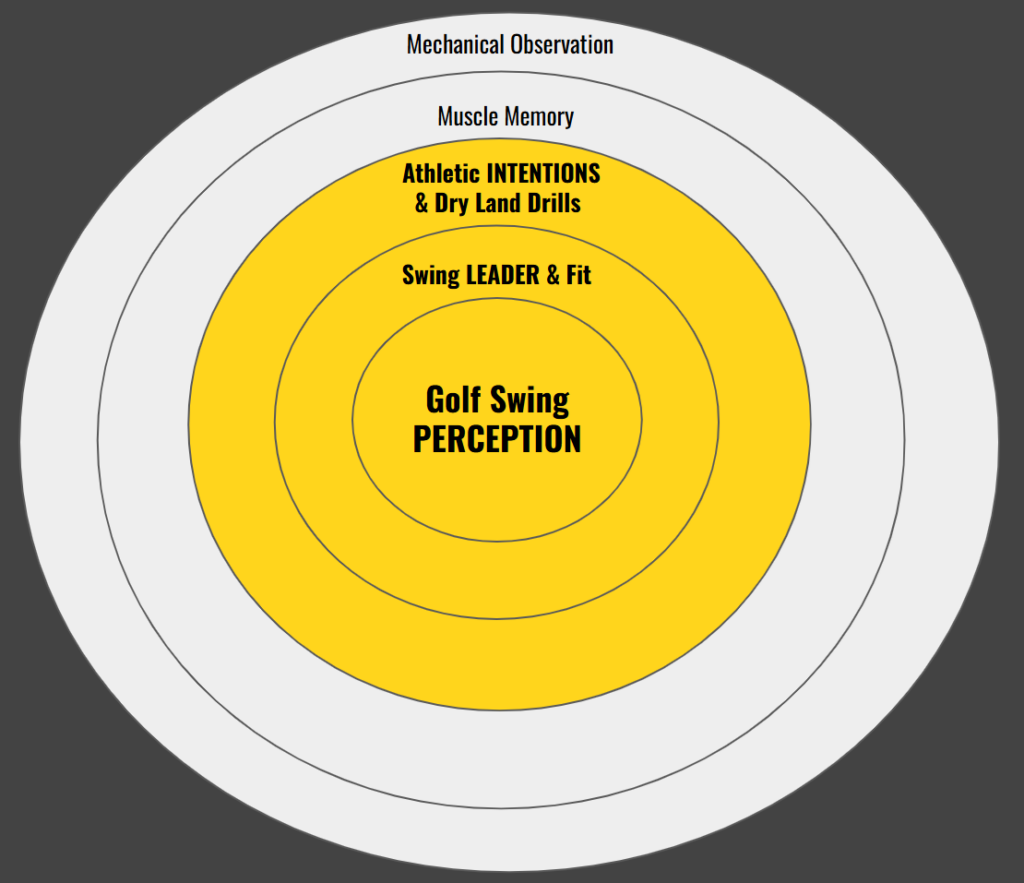
Normal fault-search — slow motion, freeze frames, positions — only touches the surface.
That’s why small fixes rarely stick or transfer to the course.
It’s the wrong layer.
Like painting over rust.
Change the inner layer and anyone can actually change.
I lean on old movement fundamentals because they’re accessible through simple brain tasks — clear intentions.
I don’t teach the movement.
I teach what makes the movement happen.
We only have so much mental space during a swing.
When you understand the leadership of the motion and pair it with a clear perception, the swing compresses into one feel.
That’s when golf starts becoming repeatable.
Inner Working in an Onion Layer Chart
Swing change starts from within. That’s why the solution for over-the-top isn’t in-to-out. You need to change your perception.
Most coaching is performed in the outer layer and that’s very potent IF you’ve already got a great motion.
A PATTERN = Your way back
You find that sweet-spot feeling and suddenly golf feels easy.
You’re playing great.
For a while.
Then it disappears.
And now you’re in no-man’s-land — searching.
You look for the fault and end up collecting fixes that
- don’t address the real cause, and
- often belong to a completely different swing style.
It’s incredibly hard not to take someone else’s medicine.
That’s why you need a reference pattern.
A pattern gives you clarity — how you create power, how you control the ball, and what to do when it stops working.
You don’t just know that you missed.
You know why.
A swing pattern doesn’t only build a motion. It gives you a way back when you run cold.
Light & Advanced Tiers – affordable & Specific
Light Versions are for you that don’t wish to go to deep and maybe just test it out. I price it as low as possible.
Advanced Versions are deeper explanations and also what the patterns can do with shot shaping etc. A far superior product but it also demands more attention and studies from you. (Start with the light version
Go to Youtube and become a member on my channel. The Light Versions are available on the light member bracket for around 10$ per month and Advanced Versions around 30$ per month (cancel anytime, price fluctuates with currency conversion SEK->USD) Click here to enter my Youtube Channel.
On Skillest (coaching app) you can purchase the patterns as specific one time fee courses. 29$ for the Light or 99$ for the Advanced Versions. Click here to come to my Skillest Coaching Profile.
I recommend that you start with the Light Versions to see if you fit and then progress to the Advanced Material.
FMM MASTER VERSION – Highest Tier
This is the “FMM Full Works” version with everything you’ll ever need and not need. It’s the complete journey from A->Z since my knowledge didn’t appear from thin air but rather developed over a decade.
It contains version 3, 4 and now version 5 of what I do combined with loads of knowledge videos and general information.
I price this at $999 and will increase it in the future.
Contact me on forgottenmastermoves@gmail.com if you have an interest in this.
SELECTION OF TESTIMONIALS
You can check out all 45+ ratings on Skillest yourself here: Click this link.
And thank you all for the kind words!
Podcast participation – FlagHunters

Justin Tang and Jesse Perryman were kind enough to have me on their show, Flaghunters Golf Pod. Quite a humbling experience, since coaches like Mike Malaska, Jim Hardy, Sean Foley (coaching Tiger for a stretch), Bradley Hughes, Pia Nilsson, Gabriel Hjertstedt and many more have frequented the discussion over the years.
A big thank you to Justin and Jesse for the possibilty to spread my vision and philosophy of the golf swing. You find the episode here: Spotify – Apple
In relation to the FMM Academy Justin mentions performing the Trail Power Hitter pattern and makes it happen within 10 balls. Of course, he is an absolute swing change pro but it was fun to hear.
Milestones & Conclusions 2014-2025 (Click year to open)
Wish to reach out?
Just send me an email on: forgottenmastermoves@gmail.com
Or contact me on SKILLEST here.
Check me out on youtube?
You can visit my Youtube Channel here as well.